




Tencel Home Textile Fabrics and Their Anti-fibrillation Dyeing & Finishing Technology
Specification: Regenerated cellulose fibers (e.g., Lyocell, Tencel)
Properties:
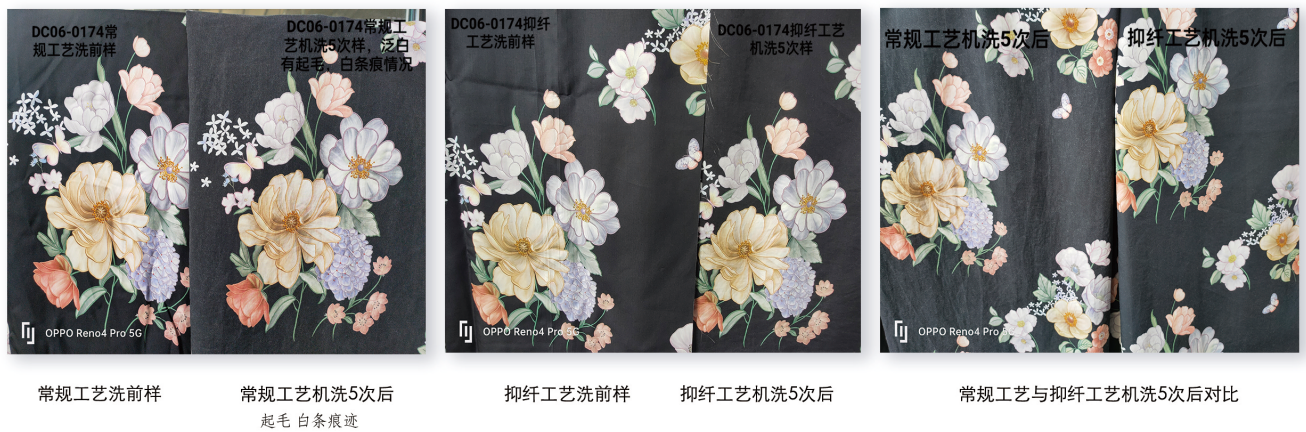
An industry-first high-quality anti-fibrillation fabric (Patent No. ZL 2022 1 0410487.5).
This premium Lyocell home textile fabric achieves effective anti-fibrillation, excellent anti-pilling performance, smooth fabric surface, outstanding ultra-soft hand feel (ultra-soft texture with a static drape coefficient of approximately 20%) and great wash resistance, as well as favorable surface flatness after machine washing.
It is manufactured via low-temperature and low-carbon processes including singeing, cold pad-batch enzymatic desizing, enzyme polishing, fiber crosslinking treatment, and functional finishing featuring moisture absorption, ultra-softness and skin friendliness.
The technology addresses the drawbacks of Lyocell fabrics processed by conventional dyeing and finishing techniques, which are prone to fibrillation and poor anti-pilling properties.
The resulting fabric boasts prominent anti-fibrillation capability, superior resistance to fibrillation and pilling, favorable drape coefficient and pleasant hand feel, smooth and ultra-soft surface, together with excellent wash durability. The fabric maintains satisfactory softness and anti-pilling performance after repeated machine washing.
It realizes a short-process, low-carbon and eco-friendly dyeing and finishing production route for Lyocell fabrics, with the whole manufacturing process environmentally sustainable.
In August 2025, it was awarded the Pioneer Case for Scientific and Technological Innovation and Excellent Patent Award by China Home Textile Industry.
Digital Embroidery Printing for Home Textiles
Specification: Cotton and regenerated cellulose fibers
Properties:
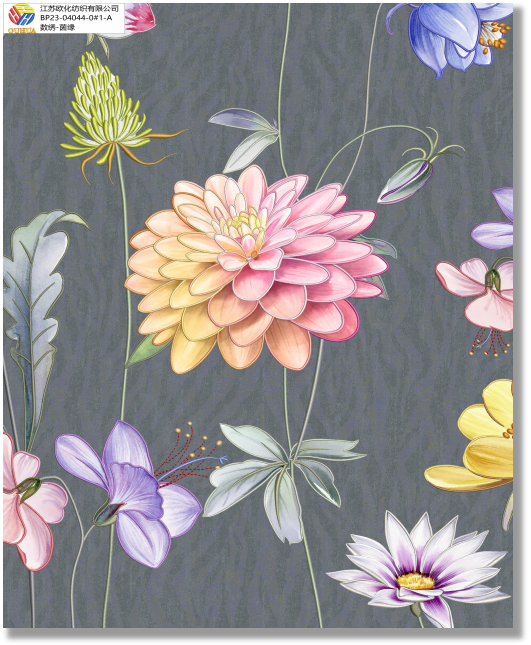
This is an innovative digital embroidery printing and dyeing process for home textiles (Patent No. ZL 2021 1 0571172.4). It achieves a groundbreaking integration of embroidery and printing & dyeing sectors. The system integrates embroidery techniques and embroidery software, color separation & Photoshop software, digital printing, and the ultra-smooth finishing process to form a complete digital embroidery printing and dyeing technical system.
Finished products can be regarded as craftworks and works of art. They possess the three-dimensional effect and layered texture of traditional embroidery, together with the high definition and rich color gamut of digital printing. Furthermore, the Ouhua EF ultra-smooth process endows fabrics with silky luster and hand feel.
Fabrics made via this high-precision digital embroidery technology feature exquisite patterns comparable to conventional embroidery, with superior hand feel (traditional embroidery tends to feel stiff). Its washing performance far outperforms embroidered goods. Conventional embroidered products are prone to wrinkling during production, pressing and washing due to material and processing differences between embroidery threads and base fabrics, resulting in degraded quality. In addition, the fabric delivers favorable anti-pilling performance.
Suitable for high-grade home textiles for all seasons, it is widely favored by consumers and boasts promising market potential.
Silicone-free & Formaldehyde-free Fabric
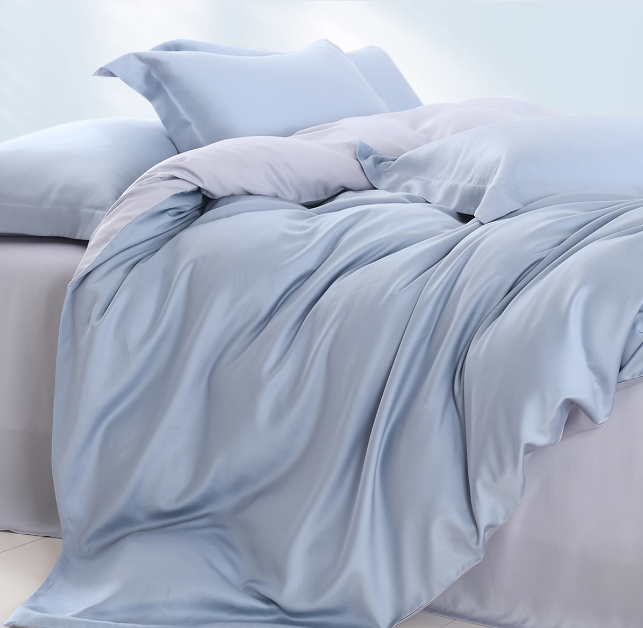
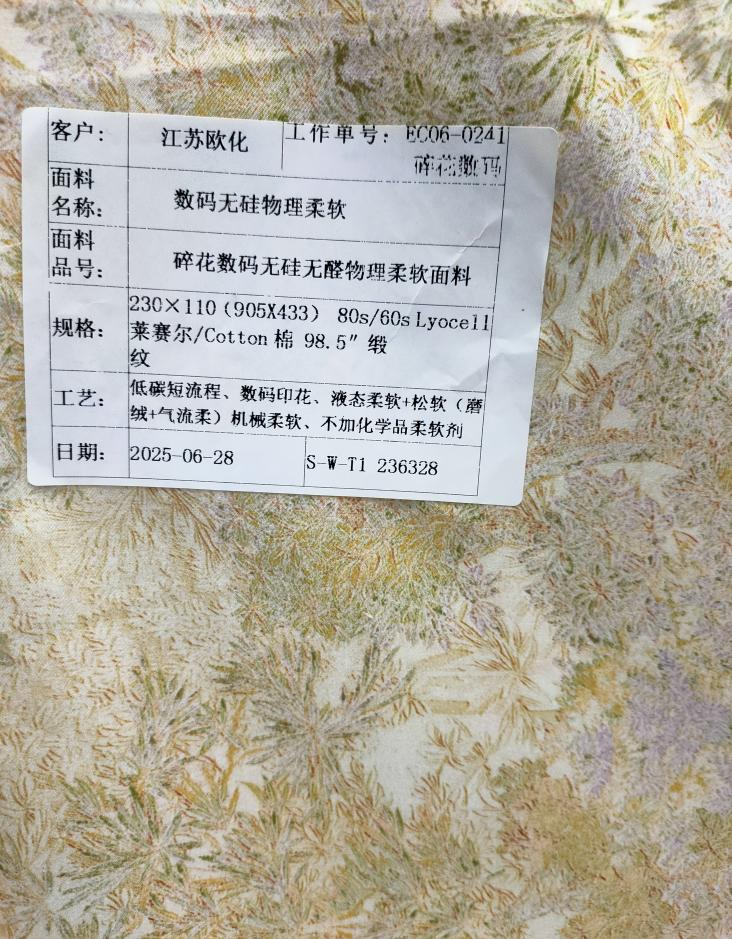
Specification: Cotton and cotton/Lyocell blended fabrics
Properties:
Adopting the eco-friendly physical dyeing and finishing process for silicone-free fabrics, this technology enables low-carbon dyeing and finishing with minimal or zero chemical usage throughout the whole production process. No silicone oil or other chemical softeners are applied in the finishing stage.
It innovatively adopts advanced fully eco-friendly multi-pass physical mechanical softening processes. As a groundbreaking hand-feel innovation technology subverting the printing and dyeing industry, it delivers extraordinarily plump, ultra-soft and skin-friendly natural hand feel to fabrics.
Without adding softeners, the fabric maintains a clean, dry touch as well as superior moisture absorption and quick-drying performance. It is an authentic eco-product featuring purely natural softness.
纤柔工艺面料
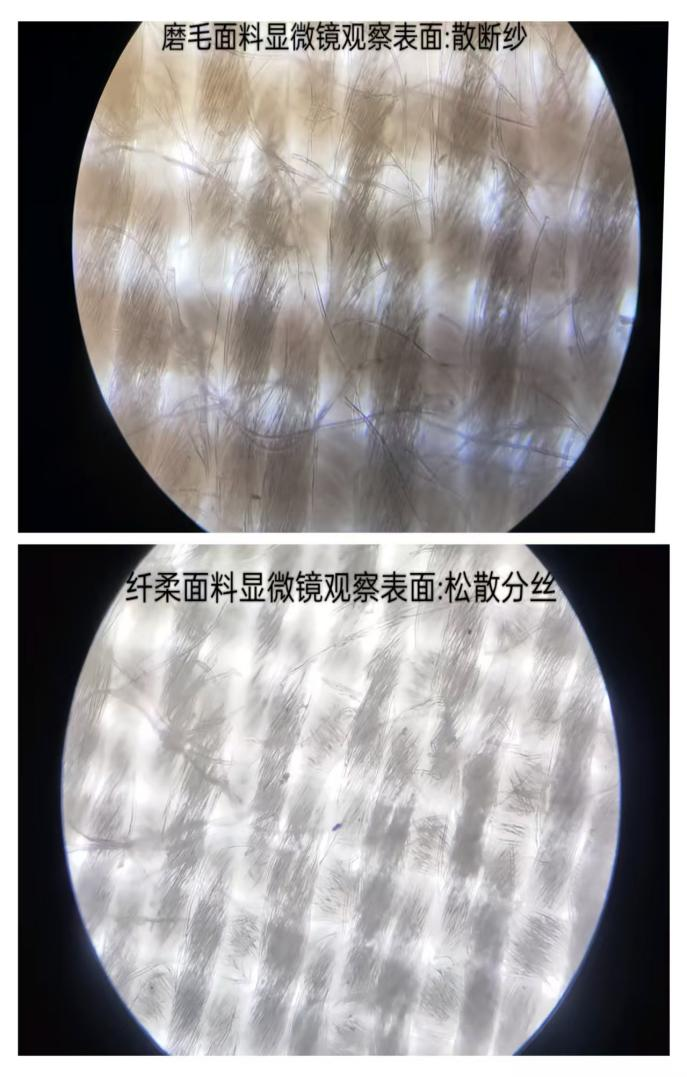
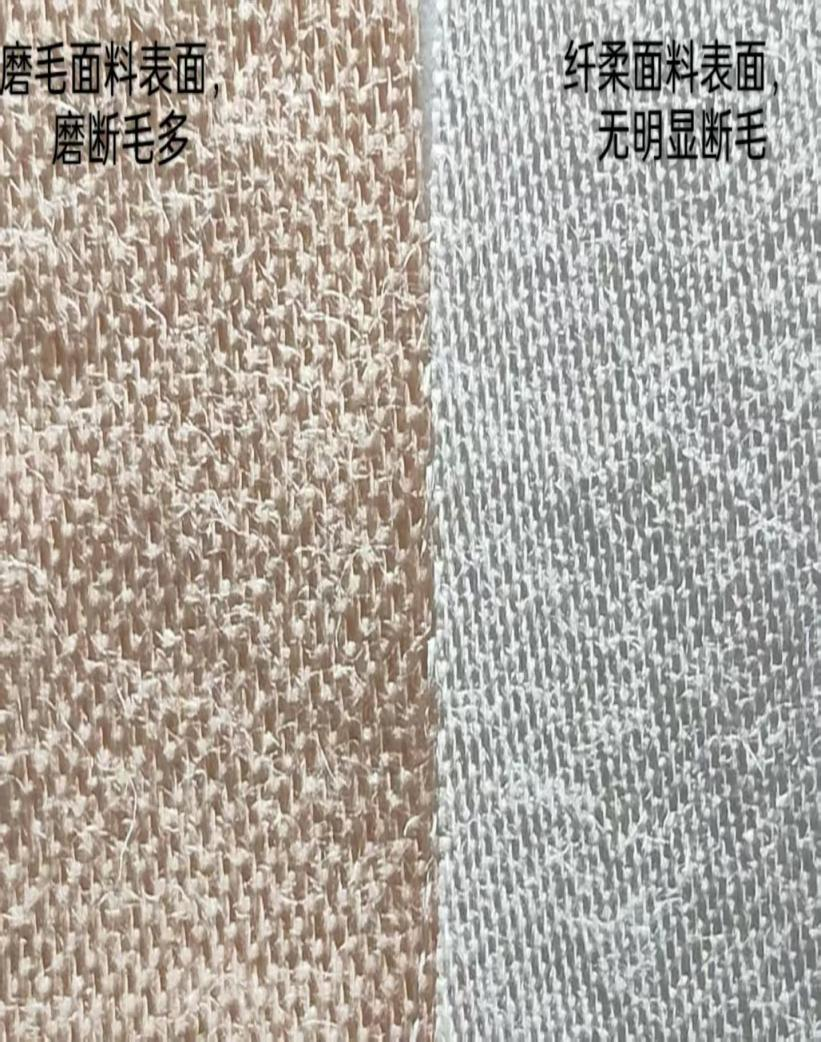
Specification: Lyocell and Lyocell/cotton blended fabrics
Properties:
This is a delicate soft dyeing and finishing process developed for wide-width woven home textile fabrics, aiming to address the common drawbacks of existing ultra-soft napped fabrics, including high lint shedding rate, poor air permeability, hardening after washing, substantial reduction in yarn breaking strength and hole formation during high-count napping.
This process achieves a breakthrough improvement in ultra-soft hand feel and fine nap texture. With liquid water flow and air flow treatment equipment combined with the chemical reaction of fiber swelling agents under acidic and high-temperature conditions, uniform micron-scale naps are formed on the fabric surface. It breaks the mechanical friction limitations of traditional napping processes. The naps are finer, softer and more elastic, delivering a silky touch comparable to baby skin and greatly enhancing the skin-friendliness and comfort of end products.
Centered on four core objectives — low damage, high uniformity, powerful functionality and sustainability, the process systematically resolves widespread industrial challenges of wide-width woven napped fabrics such as high lint shedding, poor air permeability and fabric hardening after washing through equipment innovation, breakthroughs in process parameters, integrated innovative softening treatment and improved environmental efficiency. It establishes a delicate soft dyeing and finishing process system serving as an industry benchmark.
Silky Soft Process Fabric
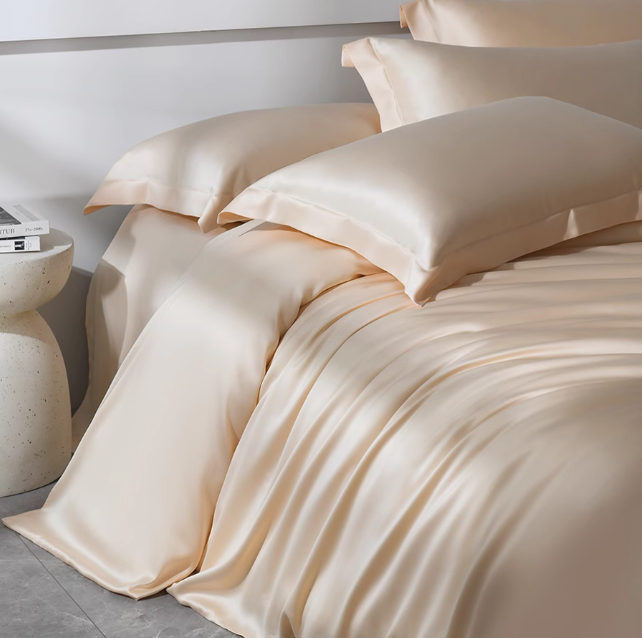
Specification: Viscose filament yarn and its spun silk blended products
Properties:
Supported by the core EF ultra-smooth technology and integrated with advantages of finishing processes, it achieves three major breakthroughs in fabric texture, performance and environmental friendliness. After treatment, the fabric boasts silky luster and smooth hand feel while maintaining dimensional stability after washing. Processes can be customized in accordance with end customers’ requirements.